
Doubt in the age of algorithms
How did questions of faith move onto our screens, and why do objections spread faster than answers?
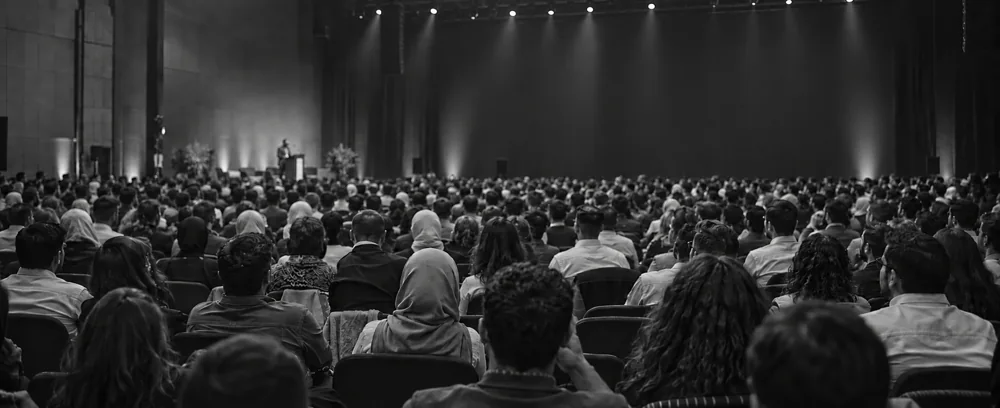
First edition
A conference on faith, doubt and revelation
01 / About the conference
Abraham, peace be upon him, asked: ‘My Lord, show me how You give life to the dead.’ He was asked: ‘Do you not believe?’ He replied: ‘Yes, but so that my heart may be reassured.’ Faith was already present, and his heart still had room for deeper understanding.
Syria's relationship with religion today is complex. In a 2025 field survey covering every governorate, 67% of respondents described themselves as religious or somewhat religious, while 21% described themselves as non-religious. The latter figure does not tell us how many are atheists, nor does it reveal their beliefs on its own. It does suggest that a broad space has emerged between clear religious commitment and explicit disbelief.
The questions themselves are old: the existence of God, evil, death, freedom, morality, revelation and what it means for human life to have a purpose. What has changed is how these questions reach us. A question that once required a book, a teacher and a lengthy discussion now arrives in a short clip, detached from its foundations, delivered with great confidence and little room for examination.
Digital networks have given more voices a chance to be heard, but they have also reshaped questions according to their own logic. Shorter ideas spread more easily. A provocative phrase is more likely to gain attention than a careful explanation. View counts can give a speaker an authority that their knowledge may not justify.
On the other side, some answers still treat the question as a flaw in the person asking it. People hear a judgement on their faith before anyone shows an understanding of their question, or receive a memorised response that leaves their actual uncertainty untouched.
Not every journey of doubt begins with a philosophy book. Some questions arise from an argument, others from pain, witnessed injustice, or the gap between a religious ideal and the conduct of those who speak in its name. Putting all these paths under one label makes us lose sight of the person behind the question.
This is the starting point for Thulla's first edition. That My Heart May Be Reassured is an intensive day of learning that brings together people with questions, those facing questions from their children, students or audiences, and anyone seeking a foundation for better understanding and dialogue.
Reassurance here does not mean a mind without questions. It means knowing the ground we stand on and becoming better able to distinguish an argument from an impression, and a question that needs an answer from one that first requires us to understand the person asking it.
02 / Conference themes
How did questions of faith move onto our screens, and why do objections spread faster than answers?
The existence of God, the meaning of evidence, the limits of science, reason, revelation and fitrah.
Evil and suffering, religion and science, freedom and destiny, the foundations of morality and the truth of revelation.
Doubt, certainty and building an informed faith without fear of ideas.
Identify the claim, examine the argument, uncover assumptions and check the sources.
Practise discussing questions and building dialogue.
How do pain, anxiety and trauma intersect with questions of faith and doubt, and what role can psychological support play?
03 / Speakers
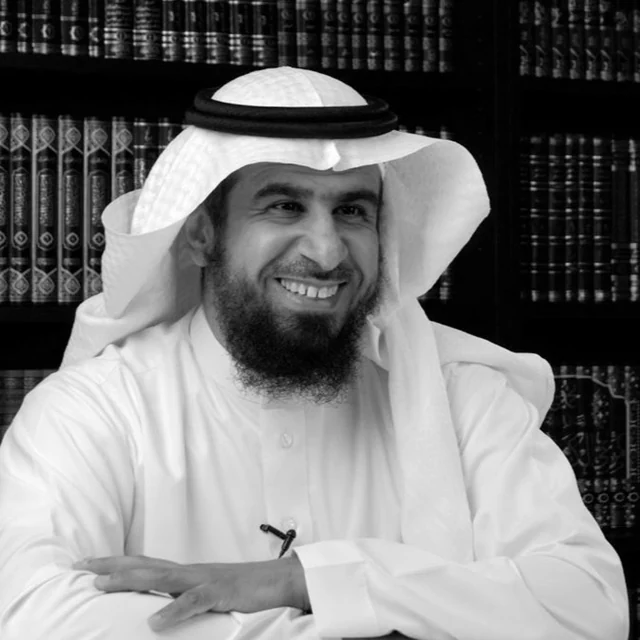
Researcher and author on thought and theology
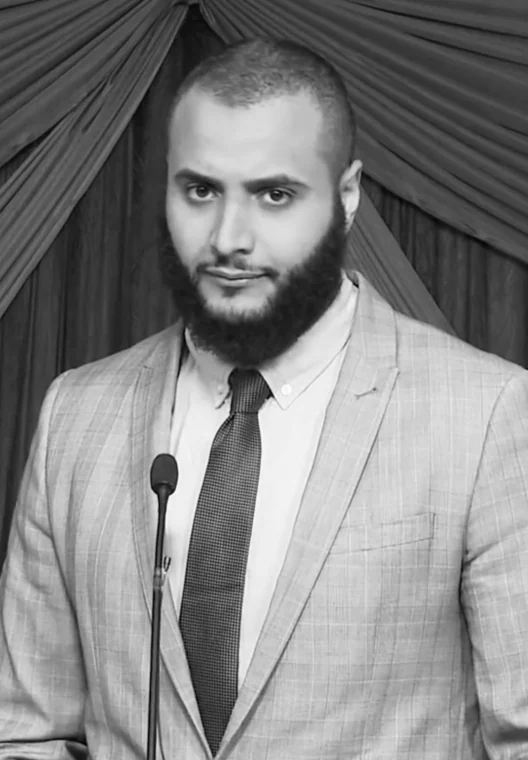
Researcher and debater on philosophy and religion
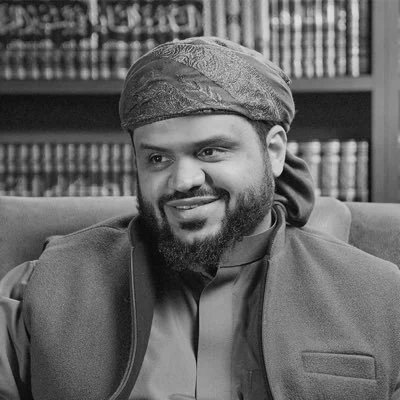
Founder of learning and educational programmes
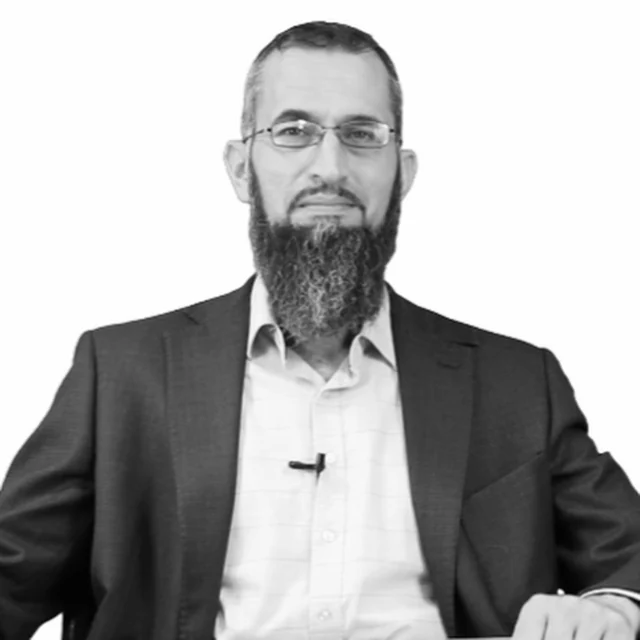
Professor of pharmacology and researcher on faith
Author exploring faith, the individual and society
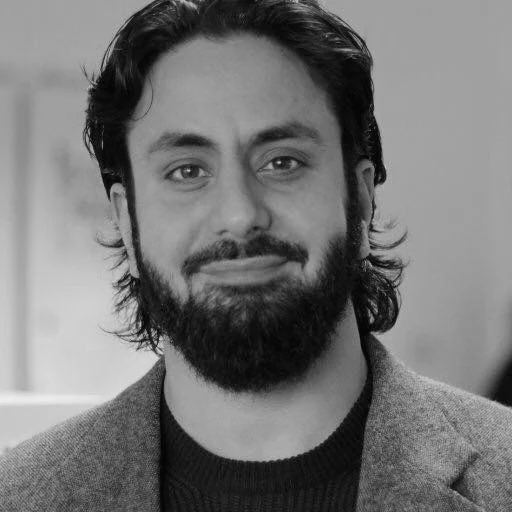
Researcher in philosophy and Islamic thought
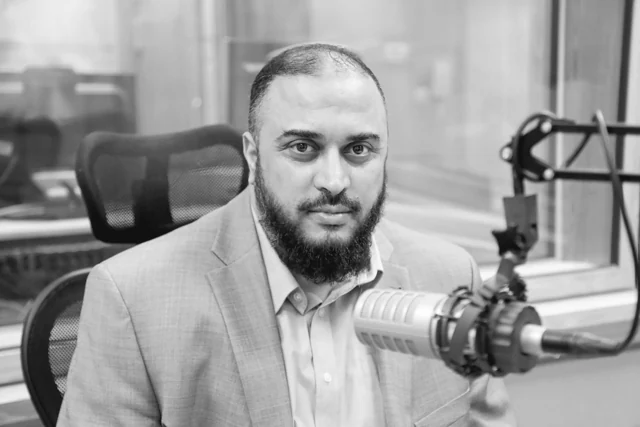
Researcher in comparative religion

Psychiatrist and academic
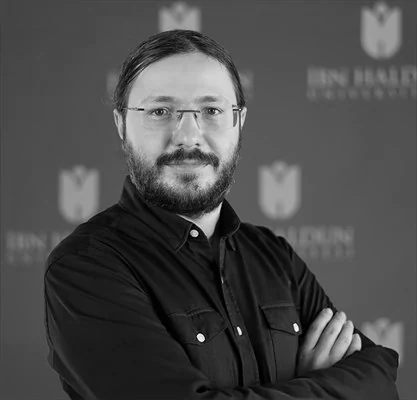
Academic in physics and philosophy of science
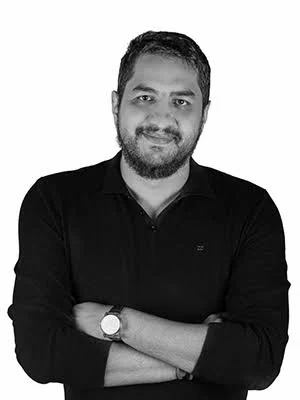
Author focused on philosophy and arguments for faith
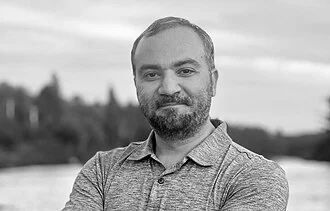
Author and researcher on thought and religion
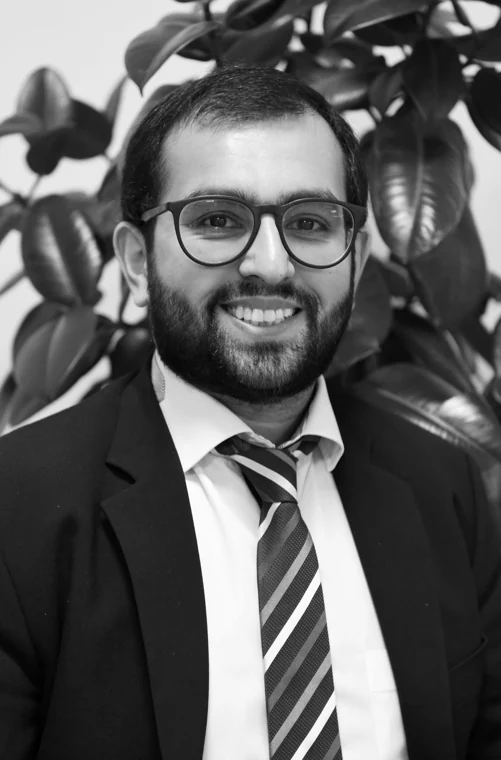
Researcher in philosophy of science and religion
04 / Tickets
Ten hours of talks, discussions and practical sessions, alongside people who share your interests.